
 Buried in Work Staff
Dealing with the loss of a loved one is undoubtedly one of the most challenging experiences in life. Amidst the emotional turmoil, there are also practical matters that need to be addressed, such as obtaining death certificates and testimonies. In this blog post, we will guide you through the process of navigating the paper maze associated with death certificates and testimonies, providing you with the information you need.
Understanding Death Certificates
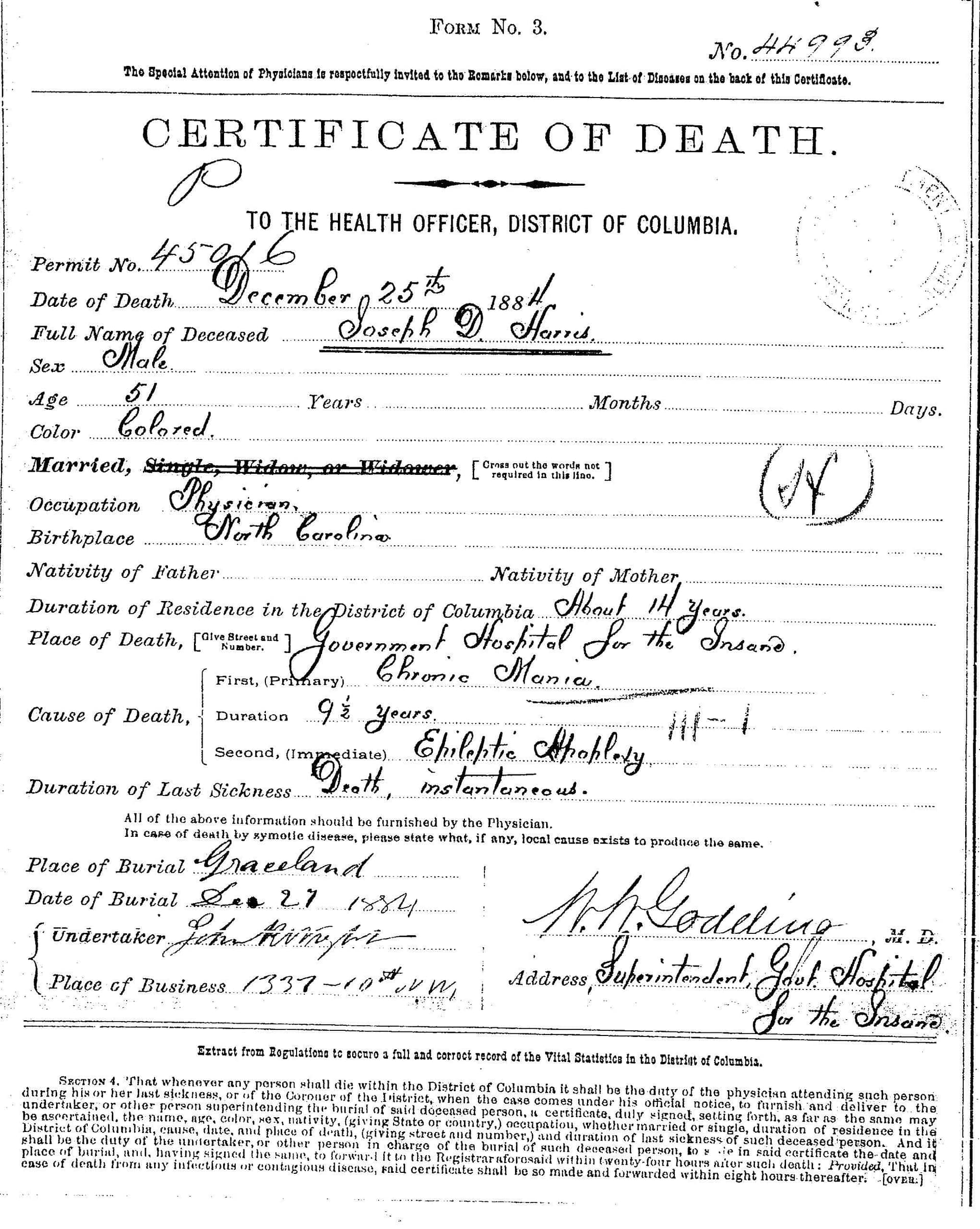
A death certificate is an official document issued by the government that certifies the death of an individual. It contains vital information such as the date, time, and cause of death. Death certificates are essential for various legal and administrative purposes, including settling the deceased’s estate, claiming life insurance benefits, and closing financial accounts.
Obtaining Death Certificates
To obtain a death certificate, you will need to contact the vital records office in the state where the death occurred. The process may vary from state to state, but generally, you will need to provide certain information, such as the deceased person’s full name, date of birth, and social security number. It is advisable to request multiple copies of the death certificate, as you will likely need them for different purposes.
Testimonies and Witness Statements
In addition to death certificates, testimonies and witness statements may also be required in certain situations. These documents serve as evidence and provide firsthand accounts of the circumstances surrounding the death. Testimonies can be obtained from individuals who witnessed the death or were present at the time of the incident. They can be crucial in legal proceedings, insurance claims, or any situation where additional information is needed to establish the facts.
Navigating the Paper Maze
Dealing with the paperwork involved in obtaining death certificates and testimonies can be overwhelming, especially when you are already grieving. Here are some steps to help you navigate the paper maze:
1. Research the Requirements: Start by researching the specific requirements for obtaining death certificates and testimonies in your state. Visit the official website of the vital records office or contact them directly to gather the necessary information.
2. Gather the Required Documents: Prepare all the necessary documents, such as identification proofs, the deceased person’s information, and any additional forms required by the vital records office. Having everything ready beforehand will streamline the process.
3. Submit the Application: Fill out the application form accurately and submit it along with the required documents to the vital records office. Some states may allow online applications, while others may require in-person visits or mail-in submissions. Follow the instructions provided by the office to ensure a smooth application process.
4. Follow Up
After submitting the application, it is essential to follow up with the vital records office to ensure that your request is being processed. Inquire about the estimated timeline for receiving the death certificates and testimonies.
5. Seek Professional Assistance
If you find the process too overwhelming or confusing, consider seeking professional assistance. Estate planning attorneys or funeral directors can provide guidance and support throughout the paperwork process, relieving some of the burdens.
Conclusion
Navigating the paper maze associated with death certificates and testimonies can be a challenging task, but it is a necessary part of the estate transition process. By understanding the importance of death certificates, knowing how to obtain them, and being aware of the role testimonies play, you can navigate this process more efficiently. Remember, you don’t have to go through it alone. Seek support from professionals and loved ones to help you during this challenging time.
Buried in Work · Honorly
Still doing all of this yourself?
Honorly can take the calls, paperwork, follow-up and coordination off your plate while you stay the executor and make the decisions.
Request A CallFree introductory call. No obligation.
