

Contesting a will can be a complex and emotional process. If you believe that a loved one’s will does not accurately reflect their intentions or that it was executed improperly, you might consider challenging it in court. Understanding the basics of contesting a will can help you navigate this difficult situation. Here are seven important things to know about contesting a will.
1. Grounds for Contesting a Will
To successfully contest a will, you must have valid legal grounds. Common grounds include:
- Lack of Testamentary Capacity: Arguing that the deceased did not have the mental capacity to understand the nature and consequences of creating a will at the time it was executed.
- Undue Influence: Claiming that the deceased was pressured or coerced into creating or altering the will in a way that does not reflect their true intentions.
- Fraud or Forgery: Alleging that the will was created or altered through fraudulent means or that the signature was forged.
- Improper Execution: Asserting that the will does not meet the legal requirements for execution, such as lacking necessary signatures or witnesses.
2. Who Can Contest a Will?
Only individuals with legal standing can contest a will. Typically, this includes:
- Beneficiaries Named in the Will: Individuals who are named to receive assets under the will.
- Heirs at Law: Family members who would inherit under state intestacy laws if the will were deemed invalid.
- Prior Beneficiaries: Those who were named in a previous version of the will but were omitted or had their share reduced in the current will.
3. Statute of Limitations
There is a limited time frame in which you can contest a will, known as the statute of limitations. This period varies by state but generally ranges from a few months to a few years from the date the will is filed for probate. It’s crucial to act quickly and consult with an attorney to ensure you do not miss this deadline.
4. Burden of Proof
The burden of proof in a will contest lies with the person challenging the will. This means you must provide sufficient evidence to support your claim that the will is invalid. This can involve gathering medical records, witness testimony, expert opinions, and other relevant documents.
5. Court Proceedings
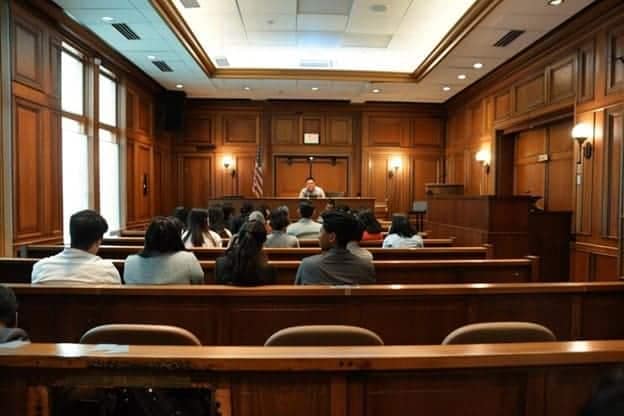
Contesting a will involves formal legal proceedings in probate court. The process typically includes:
- Filing a Petition: Submitting a formal legal document to the court outlining the grounds for contesting the will.
- Discovery: Both sides gather and exchange evidence, including depositions, documents, and witness statements.
- Hearings and Trial: The court will hold hearings to consider the evidence and arguments. If necessary, the case may go to trial, where a judge or jury will determine the validity of the will.
6. Potential Outcomes
The court may rule in several ways, including:
- Upholding the Will: If the court finds the will to be valid, it will be upheld, and the estate will be distributed according to its terms.
- Invalidating the Will: If the court finds the will to be invalid, it may be wholly or partially revoked. The estate may then be distributed according to a previous valid will or state intestacy laws if no other valid will exists.
- Partial Invalidity: The court may invalidate specific provisions of the will while upholding others.
7. Consequences of Contesting a Will
Contesting a will can have significant financial and emotional implications, including:
- Legal Costs: The process can be expensive, involving attorney fees, court costs, and other expenses. Some states may allow for reimbursement of these costs if the contest is successful.
- Family Strain: Will contests can lead to family conflicts and strained relationships, as they often involve challenging the actions and intentions of loved ones.
- No-Contest Clauses: Some wills include a no-contest clause, which can disinherit a beneficiary who unsuccessfully challenges the will. However, these clauses’ enforceability varies by state.

