
 Buried in Work Staff
Most people call them “ashes.” That’s understandable, but it’s not quite accurate.
Cremated remains are not soft, powdery ash like you would find in a fireplace. What families receive after cremation is made up mostly of processed bone fragments. Once you understand that, a lot of the confusion around cremation starts to clear up.
Start with the simple definition
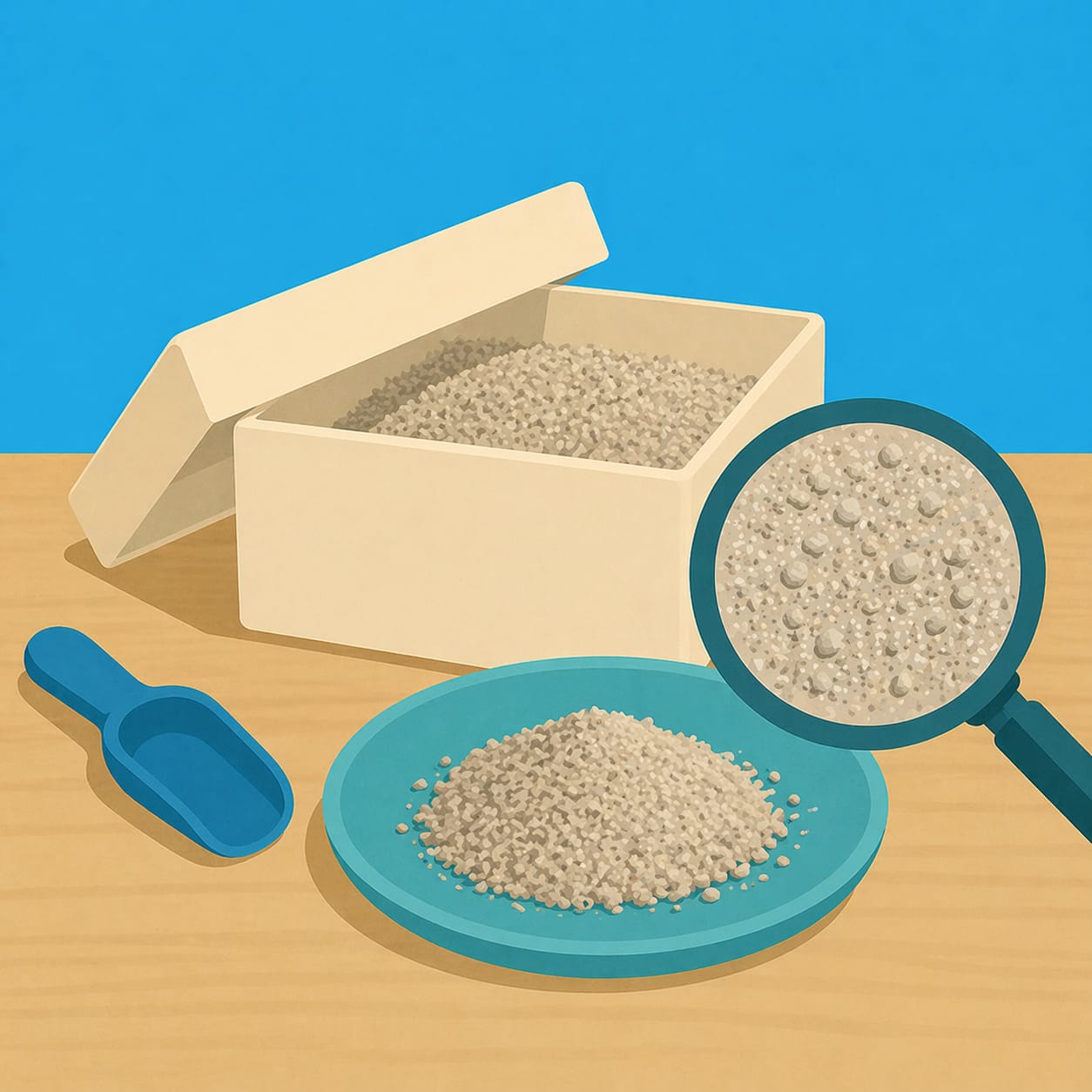
Cremated remains are what’s left after a cremation process reduces the body to bone fragments, which are then processed into a fine, sand-like consistency.
In other words, the term “ashes” is more of a nickname than a technical description.
What actually happens during cremation
During a traditional cremation, the body is exposed to high heat, typically between about 1400 and 1600 degrees Fahrenheit. At those temperatures:
-
soft tissues, organs, and fluids are vaporized
-
the body’s organic material is reduced to gases
-
only the skeletal structure remains
What’s left at that stage are bone fragments, not ash.
Those fragments are then carefully collected, cooled, and processed using a machine that reduces them into smaller, uniform particles. That final material is what families receive.
What cremated remains are made of
Cremated remains are primarily composed of calcium phosphates, along with small amounts of other minerals.
They are typically:
-
light gray to white in color
-
dry and coarse, similar to sand
-
heavier than people expect
For an adult, cremated remains usually weigh between about 4 and 6 pounds, though that can vary based on body size and other factors.
Are they really just “ashes”?
Not in the traditional sense.
When people hear “ashes,” they often imagine something soft and dusty, like what is left after burning paper or wood. Cremated remains are different. They have more structure and weight because they come from bone, not from combustible materials alone.
That said, the term “ashes” is so widely used that you will hear it everywhere, including from professionals. It is simply not the most precise description.
What about metal or implants?
Cremated remains are not purely biological material.
After cremation, any metal objects that remain, such as:
-
surgical implants
-
joint replacements
-
dental metals
-
casket hardware
are separated out before the remains are processed.
Many crematories recycle these materials or handle them according to local regulations and family preferences.
Are you really getting your loved one’s remains?
This is one of the most common and most important questions families ask.
Crematories use a system called a chain of identification to ensure that each set of remains is properly tracked from start to finish. This usually includes:
-
identification at the time of transfer
-
labeling and documentation throughout the process
-
a unique identification number or metal tag that stays with the remains
-
multiple verification steps before and after cremation
Because cremation is irreversible, these procedures are taken very seriously.
Why the appearance can vary
Not all cremated remains look exactly the same.
The color and texture can vary depending on:
-
the individual
-
the cremation process
-
the equipment used
-
how the remains are processed
Most are light gray or white, but slight variations are normal.
How cremated remains are returned
After processing, the remains are placed in:
-
a temporary container, or
-
a permanent urn if one has been selected
They are usually placed in a sealed inner bag within the container, along with identifying information.
From there, the family decides what to do next.
What this means for families
Understanding what cremated remains actually are can make decisions feel more grounded.
Whether you are:
-
choosing an urn
-
planning a scattering
-
considering a columbarium
-
dividing remains among family members
it helps to know that you are working with processed bone fragments, not traditional ash.
That may sound clinical, but it is also clarifying. It explains why the remains look and feel the way they do, why they have weight, and why certain containers or handling methods make more sense than others.
Final thoughts
Cremated remains are often called ashes, but they are more accurately described as processed bone fragments reduced to a fine, sand-like texture.
It is a simple concept once you see it clearly. And for many families, that clarity helps turn something unfamiliar into something more understandable, and a little easier to navigate.
