
 Buried in Work Staff
Water cremation is a newer alternative to traditional cremation that uses water instead of flame to reduce the body to bone fragments. The technical name is alkaline hydrolysis, but you may also hear it called aquamation, flameless cremation, or green cremation.
At a high level, the outcome is similar to traditional cremation. The body is reduced, the remaining bone fragments are processed, and the cremated remains are returned to the family. The difference is in how that reduction happens.
The simplest way to understand it
Traditional cremation uses high heat and flame.
Water cremation uses:
-
water
-
alkaline chemicals
-
heat
-
and sometimes pressure or agitation
to accelerate natural decomposition.
If you think about what happens during burial over time, water cremation is essentially that same process, but sped up and controlled in a specialized environment.
How the process works
From a family’s perspective, much of the process looks familiar.
The deceased is:
-
transported to the facility
-
identified and documented
-
placed into secure storage until all paperwork is complete
After that, the process itself begins.
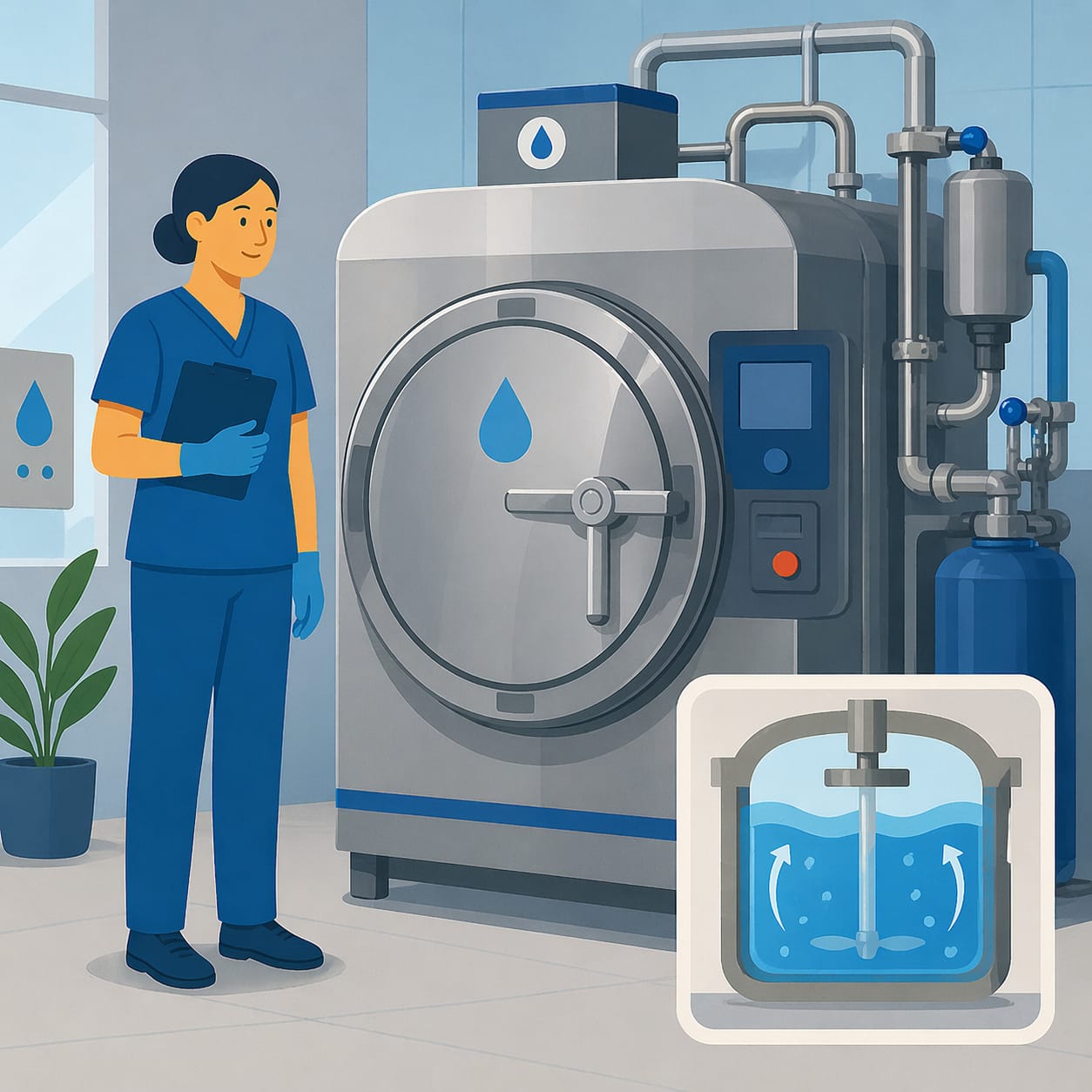
The body is placed in a sealed chamber filled with a water and alkaline solution. The system is then heated, and depending on the equipment, may use pressure or movement to ensure the process completes properly.
The process typically takes several hours, often longer than flame-based cremation.
When it’s finished, two things remain:
-
bone fragments
-
a sterile liquid
The bone fragments are what families receive. They are dried, cooled, and processed into cremated remains, just like with traditional cremation.
What happens to the liquid?
This is one of the most common questions.
The liquid is not “remains” in the way most people think. During the process, tissues are broken down into basic organic components. What’s left is a sterile solution that typically contains salts, amino acids, and similar compounds.
That liquid is handled according to local laws and wastewater regulations.
It’s understandable to pause here. But the important point is that the remains returned to the family are the same type of bone-based material you would receive after traditional cremation.
How it compares to traditional cremation
While the end result is similar, there are a few meaningful differences.
Temperature
Traditional cremation operates at very high temperatures. Water cremation uses much lower temperatures.
Time
Flame cremation typically takes one to two hours for the actual cremation. Water cremation usually takes several hours.
Process
One uses fire and heat. The other uses water and chemistry.
Implants and devices
With traditional cremation, pacemakers and certain devices must be removed before cremation due to heat and safety concerns. With water cremation, those devices often do not need to be removed beforehand, depending on local rules.
Remains
Water cremation often results in slightly more cremated remains, and they are typically lighter in color.
Why some families choose water cremation
There isn’t one single reason, but a few themes come up consistently.
Some people feel more comfortable with the idea of water rather than flame. For them, it feels like a gentler process.
Others are drawn to the environmental side. Water cremation generally uses less fuel and produces a different environmental profile than traditional cremation, though exact impacts can vary depending on the system and location.
And for some families, it simply comes down to choice. They want an option that feels different from both burial and flame-based cremation.
Availability matters more than preference
One important reality is that water cremation is not available everywhere.
Even in places where it is legal, there may not be a provider nearby. That can mean:
-
traveling out of state
-
coordinating with a funeral home to transfer the body
-
additional costs and logistics
If this is something you’re considering, it’s worth confirming availability early.
What the experience feels like for families
From a planning perspective, water cremation doesn’t dramatically change the experience.
You can still choose to have:
-
a viewing or service before the process
-
a memorial afterward
-
burial, scattering, or keepsakes
The decision about how to remember someone remains separate from how the body is handled.
A practical way to think about it
If you want a simple framework:
-
Traditional cremation uses flame
-
Water cremation uses water and chemistry
-
Both result in cremated remains returned to the family
-
The planning and memorial options are largely the same
That’s really what most families need to understand.
Final thoughts
Water cremation is a different method, not a different outcome.
For some families, that difference matters. For others, it doesn’t.
The right choice is the one that fits your comfort level, your values, and what’s actually available to you. Once you understand how it works, the decision becomes a lot less abstract and a lot more practical.
