
 Buried in Work Staff
If you ask a park ranger whether you can scatter a loved one’s ashes in a national park, don’t be surprised if the answer feels a little unclear: “Yes, sometimes, but not automatically.”
That’s because while scattering ashes in a national park is often possible, it’s not a free-for-all, and the rules vary same from one park to the next. In the National Park Service system, scattering ashes is usually treated as a memorialization activity, which means each park can set conditions through its own superintendent’s compendium or permit process.
So if you are hoping for one simple nationwide rule, you’re out of luck… there really isn’t one.
The most important thing to know: rules vary by park
This is where families get tripped up. One park may allow scattering without a permit if you follow certain conditions. Another may require a permit in every case. Another may prohibit scattering in particular areas or for certain kinds of remains.
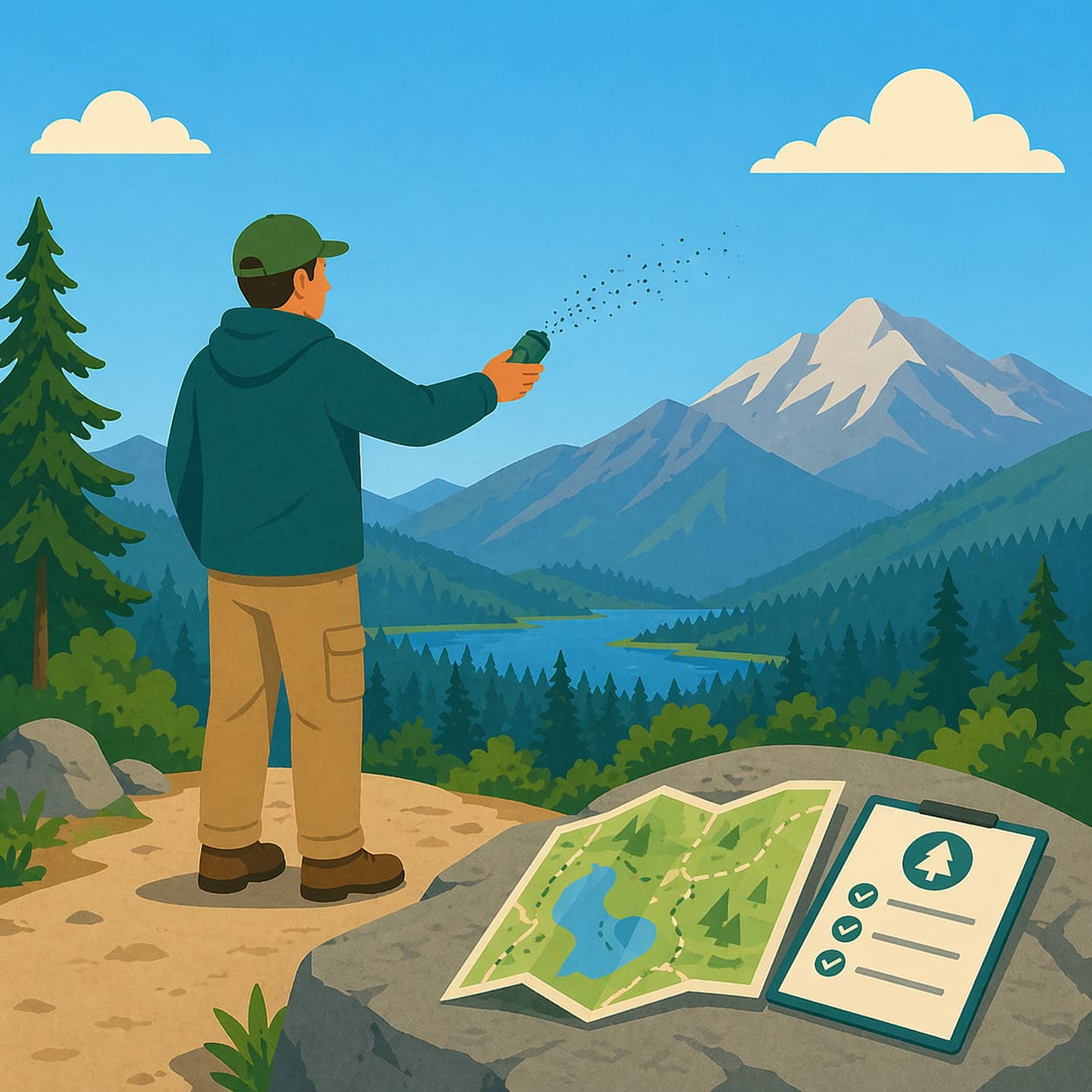
For example, Shenandoah National Park says human ashes may be scattered without a permit if specific conditions are met, including staying at least 100 feet from trails, roads, developed facilities, and bodies of water, and not scattering from the air.
By contrast, Rocky Mountain National Park says a permit is required to scatter ashes in the park. Arches National Park also states that you must have a permit to scatter ashes there.
That is why the real answer is not just “yes” or “no.” It is “check the exact park.”
Why parks handle this differently
National parks are not all the same. Some are heavily visited and highly regulated. Some contain fragile ecosystems, sacred sites, archaeological resources, water protections, or crowded developed areas where scattering would create visitor conflicts or resource concerns.
The National Park Service gives individual parks room to manage those issues at the local level. That is why superintendent compendiums matter so much. They are the park-specific rules that fill in the details beyond the general federal regulations.
In practical terms, that means the same act may be treated very differently in two different parks.
Permits are common, but not universal
A good rule of thumb is this: assume you may need a permit until the park says otherwise.
Many parks require a special use permit or another form of written authorization for scattering ashes. Gulf Islands National Seashore says it normally grants permission through a special use permit. Arches requires a permit. Rocky Mountain requires a permit.
But some parks create limited exceptions. Again, Shenandoah is a good example, because it allows scattering without a permit if all listed conditions are followed.
So the safest advice is simple: do not assume that a permit is required everywhere, and do not assume that it is never required. Check first.
Even when scattering is allowed, there are usually conditions
Families sometimes hear “allowed” and think that means they can choose any spot and conduct any kind of ceremony. That is almost never how it works.
Parks that allow scattering often impose conditions such as:
-
staying away from trails, roads, buildings, campsites, and water
-
scattering only in undeveloped areas
-
prohibiting release from aircraft
-
requiring ashes to be dispersed broadly so they do not accumulate
-
prohibiting memorial markers, containers, or commercial activity
-
limiting the size or nature of the gathering
Shenandoah, for example, requires ground scattering at least 100 feet from trails, roads, developed facilities, and water, prohibits scattering from the air, and requires ashes to be spread broadly rather than left in one place.
Those rules are there to protect both the park and other visitors.
Human ashes and pet ashes may be treated differently
Another detail families should not overlook is that parks may treat human and pet remains differently.
For example, the National Mall and Memorial Parks superintendent’s compendium specifically states that scattering pet ashes is prohibited.
So if the remains are from a pet, do not assume the rules for human ashes apply.
What families should do before making plans
If you are thinking about scattering ashes in a national park, the best approach is practical and specific.
Start here:
-
Identify the exact park unit. “National parks” is too broad. You need the specific park.
-
Check that park’s official website. Look for pages on scattering ashes, memorialization, special use permits, or the superintendent’s compendium.
-
Call the park if anything is unclear. This is especially important if the website language is old, vague, or hard to find.
-
Ask about timing. Some permits take time to review, especially during busy seasons.
-
Ask about location restrictions. Even parks that allow scattering may limit where it can happen.
Doing that homework ahead of time is much better than arriving with an urn and hoping for the best.
A better mindset: think respectful, quiet, and low-impact
Even when a park allows scattering, this is not the place for a large visible event unless the park explicitly approves it. National parks are shared public spaces. They are also protected landscapes.
The best approach is usually:
-
small
-
quiet
-
discreet
-
fully compliant with the park’s rules
-
leave-no-trace in practice, not just in theory
That means no dumping ashes in piles, no leaving containers behind, no markers, and no assumption that emotional significance overrides park rules.
Final thoughts
Yes, you can sometimes scatter ashes in national parks. But the better answer is that you can do it only if the specific park allows it and only under that park’s rules. Some parks require permits. Some allow limited scattering without one. Some prohibit it in certain locations or altogether for certain types of remains.
So before you plan a meaningful moment in a meaningful place, make sure the legal piece is just as clear as the emotional one. That little bit of preparation can help make the experience respectful, smooth, and free of unpleasant surprises.
