
 Buried in Work Staff
When discussing end-of-life planning, it’s important to understand the differences between advance directives, end-of-life directives, and living wills. These terms are often used interchangeably but have distinct meanings:
Advance Directive
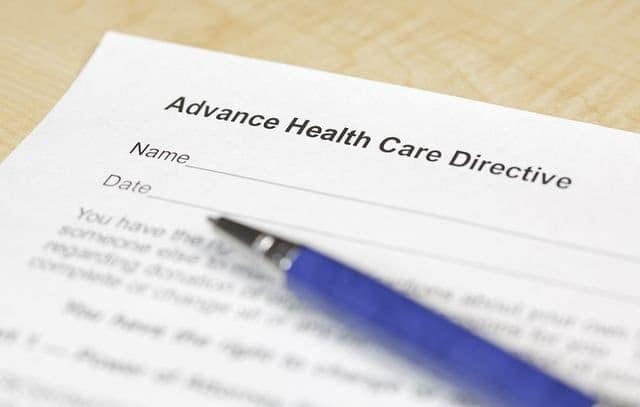
An advance directive is a broad term that encompasses various legal documents allowing individuals to specify their preferences for medical treatment and care in case they become unable to communicate their wishes in the future. Typically, an advance directive includes a living will and a durable medical power of attorney.
End-of-Life Directive
An end-of-life directive is a type of advance directive specifically focused on care and decisions at the end of life. It outlines the individual’s wishes regarding the extent of medical treatment and interventions they want or do not want when facing a terminal illness or imminent death. This can include specific instructions for issues including resuscitation, mechanical ventilation, and artificial nutrition and hydration. An end-of-life directive is usually part of a broader advance directive.
Living Will
A living will is a legal document that specifically details a person’s preferences for medical treatments and life-sustaining measures in situations where they are terminally ill or permanently unconscious and cannot communicate their wishes. Living wills are designed to provide clear instructions on what medical actions should be taken or not, thereby relieving family members and healthcare providers from making these difficult decisions without guidance.
Understanding these distinctions can help individuals effectively plan for their healthcare needs and ensure their wishes are followed, providing peace of mind for themselves and their families.
Many people consult both their physicians and an attorney when drafting advance directives, end-of-life directives, or living wills. If you’re seeking legal assistance, Buried in Work’s content contributors include several estate planning lawyers.
Related resources
Checklists to work through
Related reading
Find local help
Get organized before it is needed.
Explore the CLEAR Kit